Thanks to AI, the internet is flooded with fan-made content, and that includes advertising imposters. Currently a fake Pepsi ad and an LA mayor campaign are both benefiting from the viral impact of clever user-generated concepts.
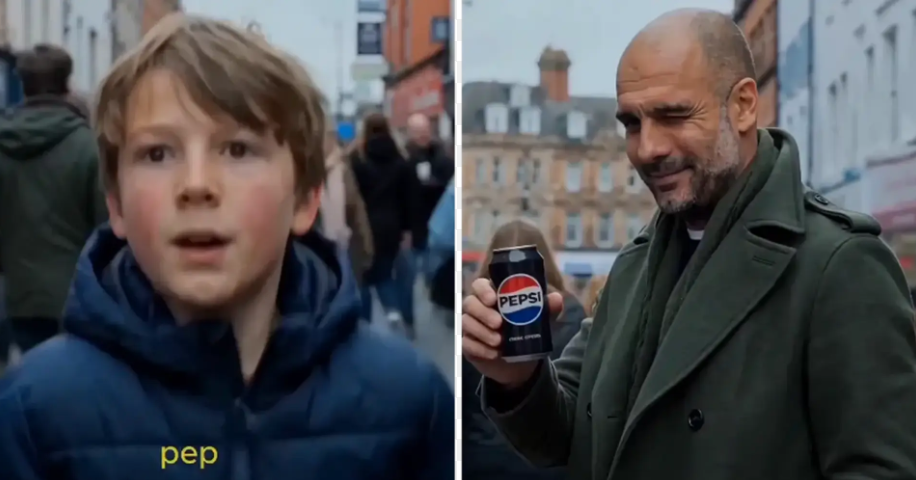
Thousands were fooled and (crucially) charmed by a 20-second Pepsi spot. It features familiar advertising tropes – a rousing soundtrack, a star name, a cute kid – all brought together around a pun on the name Pep (Guardiola) and the Spanish word for yes, ‘si’.
In truth, advertising did this back in 2021 when the same pun was used in a real Pepsi campaign created by DDB Latin America for the UEFA Champions League Final. But insisting you got there first is poor compensation when a shiny new AI version is being shared all over the internet.
https://www.youtube.com/shorts/b0gTp0xLiqQ
Meanwhile in California, reality TV star turned LA mayoral candidate Spencer Pratt is getting mass attention for a series of AI-generated ads that portray him as a superhero swooping in to save the city. Because they are not official campaign videos, they can bypass any legal requirements and a create a pure fantasy that younger voters in particular are buying into.
Spencer Pratt’s LA mayor ads are incredible. pic.twitter.com/uEge9Q9yyH
— Clay Travis (@ClayTravis) May 5, 2026
When this kind of work goes viral it makes it harder than ever for ad agencies to justify their craft – and the cost of it. The truth is that the Pepsi imposter still uses BBDO’s “Thirsty for more” tagline, as well as not being first with the idea, but people have short memories and AI works fast.
Advertising is being outsmarted in a way that feels unfair, but it’s a reality that the industry needs to find a way to deal with. Otherwise it’s literally a free-for-all.