A desert island feels like a good place to think about advertising. No metrics. No trend reports. No LinkedIn posts about “authentic storytelling”. Just the work itself and whether it actually sticks in your brain. It reminds me why this industry can still be brilliant, and why I wanted to be part of it in the first place.
The ads I’d bring are the ones that left a lasting mark. Work that shaped how I think about craft, culture and participation. If I’m going to be isolated on a desert island, I’d rather spend it with the ads that made culture feel fun.
Sony Bravia – Balls
Fallon London, 2005
The ad that made me want to work in advertising.
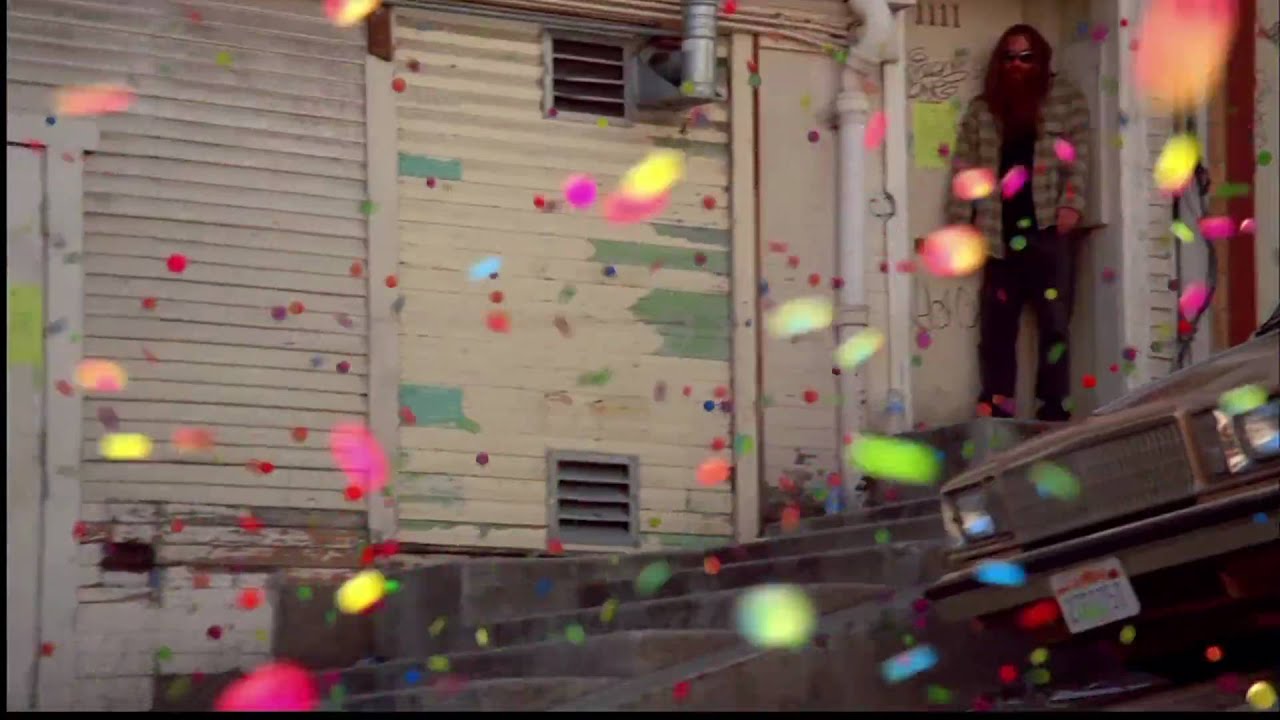
I was a teenager watching Saturday night TV when it came on. Suddenly, San Francisco was flooded with 250,000 bouncing balls rolling down those hills while José González played underneath it all. I remember sitting completely still watching it.
It was probably the first time I realised advertising could make people feel something rather than just sell something.
Looking back now, what makes it so enduring is how inseparable the craft and the idea are. Doing it practically wasn’t an executional flex – it was the point. You can feel the human effort in every frame, which is why people still talk about it twenty years later.
And honestly, in an era increasingly shaped by AI-generated sameness, I think human craft matters more than ever. You can feel when people are obsessed over something. You can feel when care is present in the work.
The making-of became almost as culturally shared as the ad itself, long before behind-the-scenes content became a brand strategy in its own right. And while most advertising ages alongside the platform it was built for, Balls still feels strangely timeless.
Apple: Shot on iPhone x Bad Bunny Halftime Show
TBWA\Media Arts Lab, 2026
The ultimate example of product disappearing into participation
What Apple has built with Shot on iPhone is one of the clearest examples of long-term platform thinking in modern marketing.
It started simply: real photography shot on iPhone, blown up onto billboards with enough confidence to need almost no explanation. But instead of endlessly reinventing the idea, Apple evolved it carefully over time.
This year’s Bad Bunny halftime show film felt like the strongest expression of that yet. Apple sent photographers across multiple time zones to document fan reactions entirely on iPhone, then turned those moments into a film about movement, fandom and culture rather than technology.
That’s what makes it powerful socially. The product disappears into participation.
What makes Shot on iPhone so impressive is how the platform has evolved over more than a decade without losing its core behaviour. Apple understand that cultural equity compounds over time, and the Bad Bunny halftime partnership only worked because years of investment already sat behind it. It’s proof that emotional authenticity and premium production can comfortably coexist.
03. Liquid Death: Kegs for Pregs
In-house, 2025
The brand that ripped up the social rulebook.
Liquid Death understood earlier than most brands that attention on social isn’t earned by behaving like a brand. It’s earned by behaving like entertainment.
Kegs for Pregs is probably the clearest expression of that.
Kylie Kelce. Eight months pregnant. Sitting in a bar while people stare at her “chugging” Liquid Death. Then the reveal lands: she’s drinking water. A keg slides across the bar. A ridiculous jingle kicks in. The whole thing feels somewhere between a Super Bowl ad and an internet sketch.
It’s provocative, chaotic and instantly watchable, but strategically it’s incredibly disciplined.
The genius of Liquid Death has always been that the provocation is the product truth. The tension only works because pregnant women are supposed to drink more water. The entertainment accelerates the message instead of distracting from it.
At a time when most brands were still trying to optimise social for relatability and platform best practice, Liquid Death built a brand around absurdity, commitment and audience participation.
They understood something most marketers still struggle with: people don’t share advertising because it’s targeted well. They share it because passing it on makes them feel something socially.
Liquid Death behaves more like an entertainment company that happens to sell water than a traditional brand, which is exactly why the work cuts through. The provocation only works because it’s inseparable from the product truth, and the brand has maintained that same chaotic tonal consistency for years. They proved social-first brands don’t need to sound platform-native, they need to feel culturally addictive.
Aldi: #FreeCuthbert
McCann Manchester, 2021

The last time Twitter felt culturally unified.
At the time I was leading social at Lidl, so I watched this unfold from inside retailer culture in real time. You could feel the internet collectively gathering around it.
One tweet reframed a legal dispute into entertainment: “This is not just any court case, this is… #FreeCuthbert.”
From there, it escaped the category almost immediately. Trending topics. Memes. Protest signs. Panel shows. Millions of organic interactions. The audience started building the campaign alongside the brand.
That’s the part people often miss when they talk about reactive social. The tweet itself wasn’t really the magic. The conditions were.
Twitter still had enough concentrated attention for moments like this to spread collectively. The social team clearly had genuine creative authority. The brand trusted the people closest to culture to move instinctively rather than cautiously.
I remember watching it unfold thinking: ‘this only works because nobody overcontrolled it’.
“Marks & Snitches” only exists inside organisations where trust sits close to the work. What started as a legal story quickly evolved into a culture story and then a comedy story because Aldi understood participation matters more than ownership in social moments. The real lesson wasn’t speed alone, it was organisational trust and the creative freedom to let the internet run with the joke.
Adidas: No More Red
Arsenal x Adidas, 2022–present
One of the reasons I joined Iris.
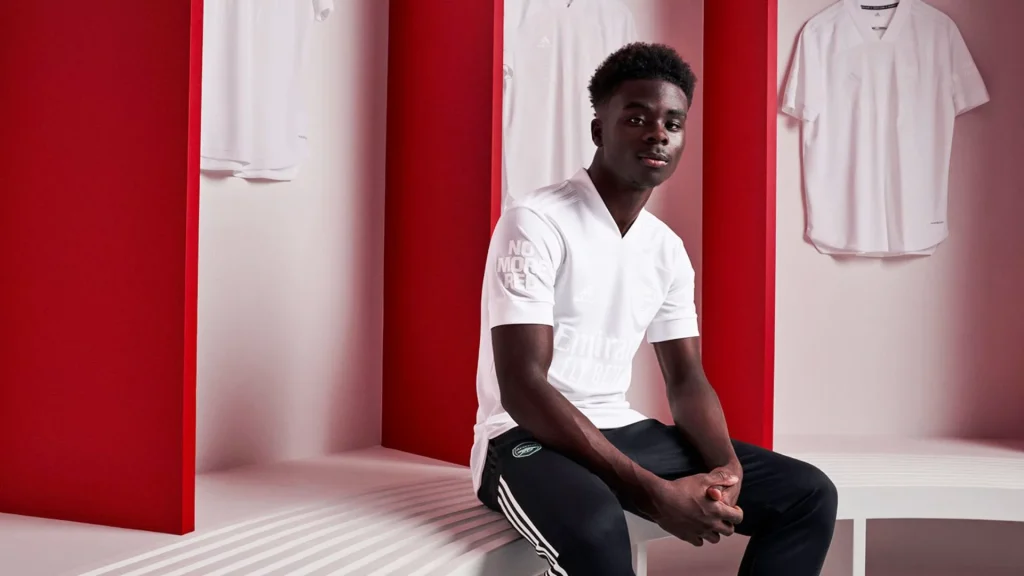
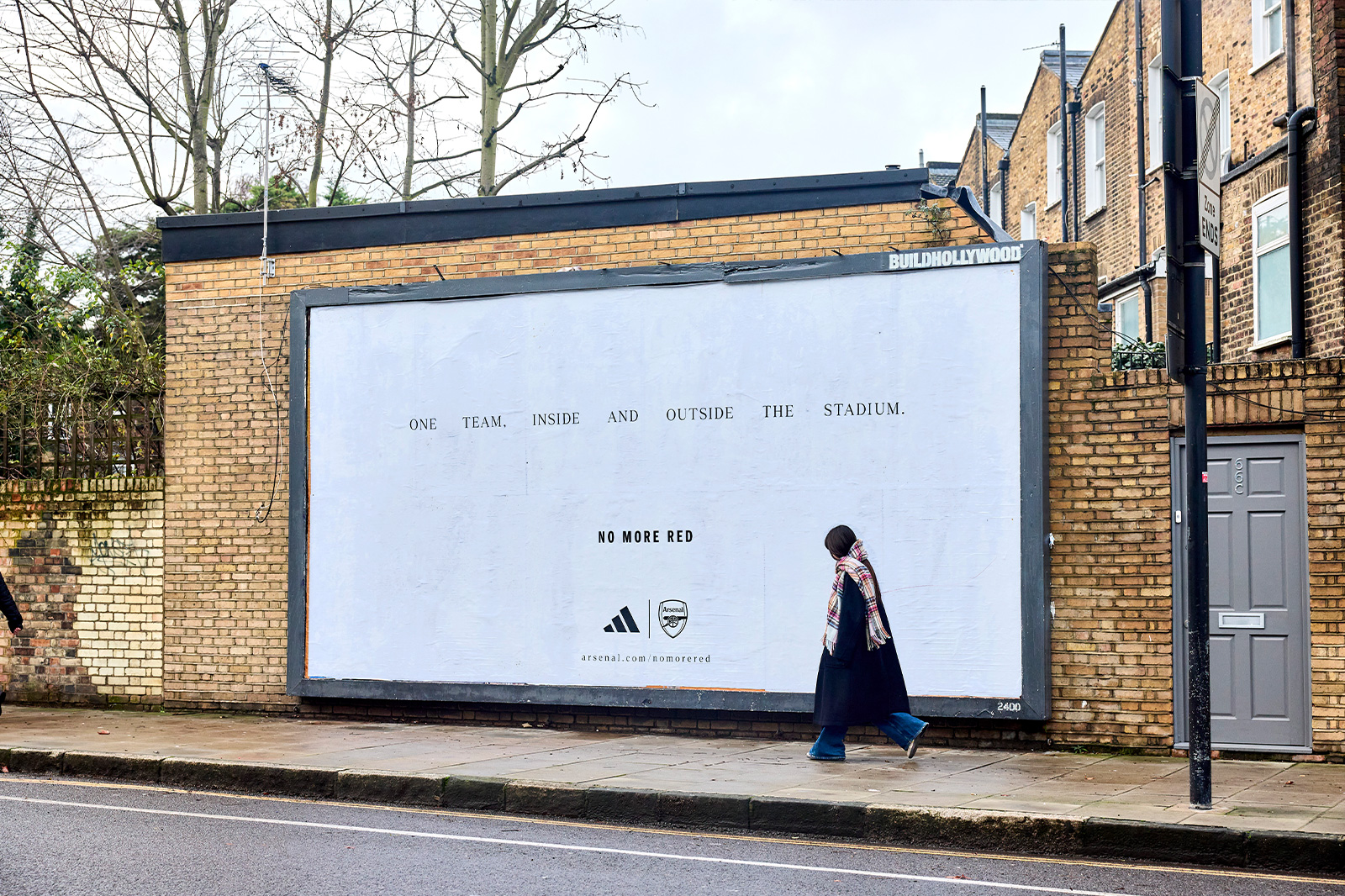
Most purpose-led campaigns communicate values. No More Red operationalised them.
Removing the red from the Arsenal shirt and refusing to sell it commercially completely changes the meaning of the product. The shirt becomes something earned through contribution to the community rather than purchased through fandom.
That single decision gives the platform credibility.
What’s impressed me most is the long-term commitment. Most brands lose confidence in purpose work once commercial pressure arrives. Adidas and Arsenal kept building instead.
This year’s move toward documentary storytelling felt especially smart because the brand stepped back and let the community lead the narrative.
This ad still remains one of the best examples of culture-first brand building creating real community value.
 Melo Meacher-Jones is head of social & influencer, Iris.