

Despite all the doom and gloom in the industry, WARC expects the global ad market to grow by 8.9% in 2025 to reach $1.19 trillion.
The “New Normal” that the report is named after is a decoupling of the ad market and the economy. Advertising spend is no longer a “bellwether” of the economy because growth is driven more by price increases than volume, and by the digital budgets of Alphabet, Amazon and Meta rather than consumer demand.
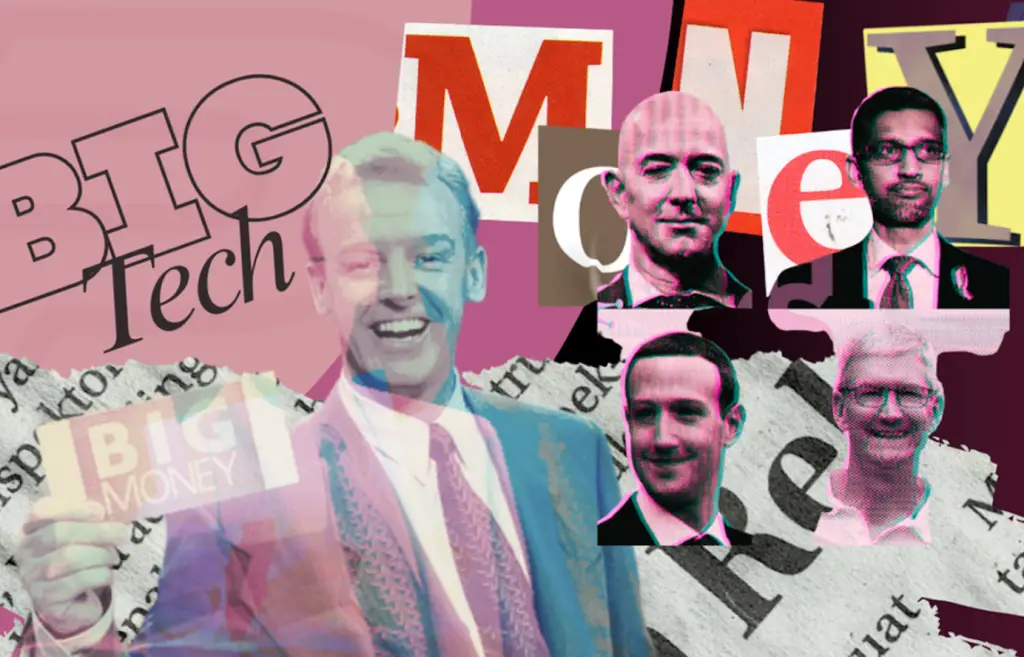
Those platforms are expected to hold a 56.1% share of the global market (excluding China) in 2025, rising to 58% next year. And while the big platforms thrive, the “open web” is struggling as the traditional display format declines.
Alex Brownsell, head of content at Warc Media and author of the report, said: “Advertising has broken away from the economic cycle, and behaves in a way that doesn’t feel reflective of the real economy. New money has arrived from digital-native categories, while commerce has redrawn the measured media map, and big tech’s self-reinforcing flywheel is harvesting almost all incremental dollars.”
The good news is that there’s a focus on brand building to protect pricing power, because growth is driven by price increases rather than sales volume. In the UK, the market is valued at $58.1 billion, making it the third biggest globally and the largest in Europe. The US remains the global leader at $421.1bn, representing 35.3% of all adspend.










Interesting stuff. Slight ambiguity as to whether “growth is driven more by price increases than volume” refers to major advertisers exploiting pricing power to increase margins post pandemic, or the pricing power of digital media giants? Many commentators see evidence of both.
Now if digital media owners are increasing revenues without a corresponding increase in eyeballs/ ratings, then that appears to be a case of what economists term “(excessive) rent extraction”. Millions of small businesses dependent on Google AdWords have negligible negotiating power – so they have no choice and near zero influence.
But I’m curious as to whether and when major global advertisers’ FDs & procurement teams push back against this rent seeking behaviour. Maybe they already are, but keep quiet about it? If so, projected 2026 spend growth of 9% might suggest they’ve made limited progress to date. Is such a high figure really only down to Amazon etc being so flush with cash and/or giddy with their market cap that they’re indifferent to media value?
What else do WARC (or, better still, informed MAA readers) have to say about this I wonder?