Netflix is doubling its ad revenue while quietly throttling the creators who built its audiences. And advertisers are funding both sides of it.
The advertising and media industry generates so much news, so fast, that it becomes genuinely difficult to build a coherent mental picture of what’s actually happening — and why.
A case in point: two stories this week that, read separately, look like routine trade news. Read together, they reveal something significant about where Netflix is taking its platform strategy.
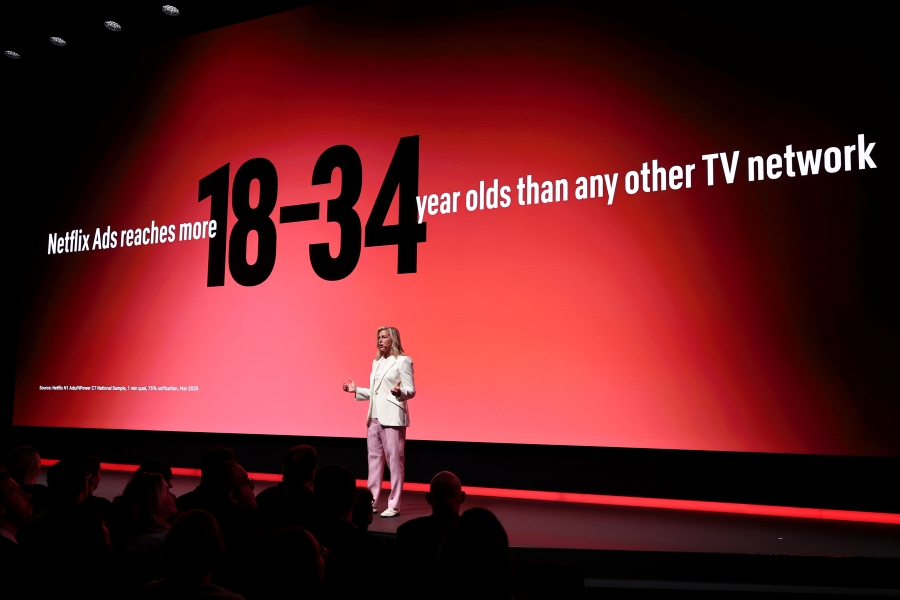
Story one: Netflix has a plan to double its advertising revenue to $3 billion in 2026.
Through expanded targeting and better outcomes measurement, it’s a serious pitch to serious media buyers. The trade press covered this as good news for the industry — AdExchanger called it Netflix’s ads business having “grown to scale,” while CNBC ran the headline “Netflix’s advertising strategy shift is starting to pay off.”
More premium inventory, more competition, more options. What’s not to like?
Story two: Netflix is throttling the third-party distribution of its exclusive podcasters.
Netflix controls how many clips they can share outside the platform. Bloomberg reported the consequence: channel growth on YouTube is slowing by as much as 50% year-on-year. On its own, you could call this a ‘platform metrics story’ or a ‘creator ecosystem story’, rather than a ‘strategy story’.
But put these stories together and you get something neither one says on its own.
Netflix is open for advertiser money, but closed for creator autonomy. That is what happens when a mature platform stops competing for your attention and starts engineering your dependency on it.
If you’re a Netflix employee or shareholder, it’s fine to shrug your shoulders and say “good for us”.
If you’re an advertiser, media buyer or strategist, you might want to consider what happens next.
This is what platform maturity actually looks like
Let’s break down what’s going on.
Netflix signs exclusive podcast talent, like The Bill Simmons Podcast. That talent builds audience — some of it on YouTube, some of it on social, some of it through the frictionless clip culture that makes podcasts spread.
Netflix then restricts the clip distribution. So the creator’s external audience growth slows, their leverage outside Netflix erodes, and their dependency on Netflix deepens.
Meanwhile, Netflix takes that captive audience — now harder to reach anywhere else — and sells access to it to advertisers, at scale, with expanding targeting capabilities.
That means that Netflix is not just ‘signing talent’ — it is restructuring the terms of audience ownership. Creators built the following. Netflix controls the exit.
Advertisers are not bystanders in this. They are the business model that makes the whole structure viable. Every insertion order on Netflix inventory is a financial vote for a media ecosystem with one fewer door.
You’ve seen this film before. You were in it.
And why does this playbook sound familiar? Because our industry wrote it!
Publishers handed Google and Facebook the programmatic keys in the early 2010s and spent the following decade watching their own audience data used to undercut them. Just last week, Reach’s CEO described his company’s current approach to AI platforms as a “mixture of courtship and courts” — simultaneously trying to sign deals and threatening legal action — after Google Discover traffic fell 50% in the second half of 2025. That is what negotiating from dependency looks like.
The pattern isn’t new. Nor is the rationalisation: the inventory is good, the targeting works, the CPMs are defensible.
All of that was true of Facebook in 2013, too.
And yet. Of course Netflix has the audience, the targeting is improving, and the buy makes sense on this quarter’s plan. That’s not the argument.
The point is what happens to your negotiating position in three years — on pricing, on data access, on measurement terms — once you’ve helped fund a platform with no meaningful competitor for that audience?
Rate cards don’t stay competitive when there’s nowhere else to go. And there won’t be, because the people who might have built the alternative are now locked inside the garden.
Know what game you’re playing
“But it’s a collective action problem!” my imaginary marketer friend whines.
“This is the problem with platforms — no individual advertiser can move the needle, so everyone acts in their own short-term interest and the platform wins by default.”
Of course that’s true. But I’m not suggesting you should take your ball and go home, or “boycott Netflix”.
The ask is simpler than that: know what you’re building toward. Model what your negotiating position looks like when there’s no meaningful alternative. Build that into your planning now, while there still is one.
Because the platform isn’t waiting for the industry to coordinate. It’s already collecting.
 This article first appeared in Ad-verse Reactions, a newsletter written by independent journalist and consultant Omar Oakes, covering the economics, power structures and unintended consequences shaping advertising and media. You can subscribe to Ad-verse Reactions for regular analysis at omaroakes.substack.com.