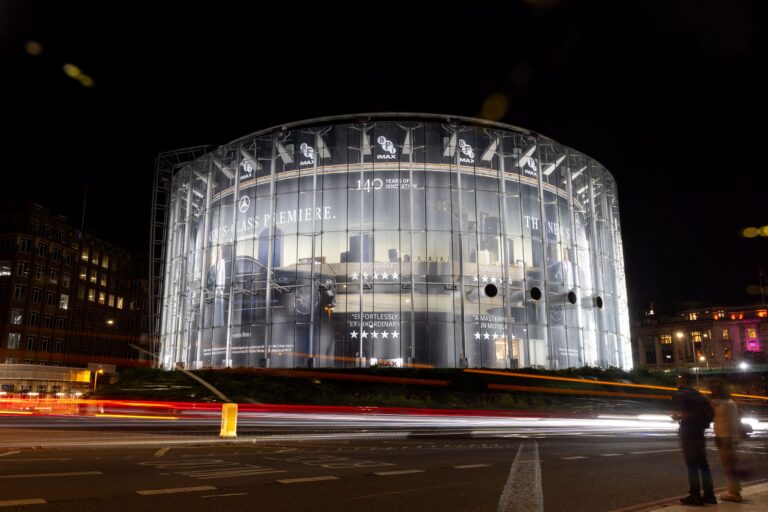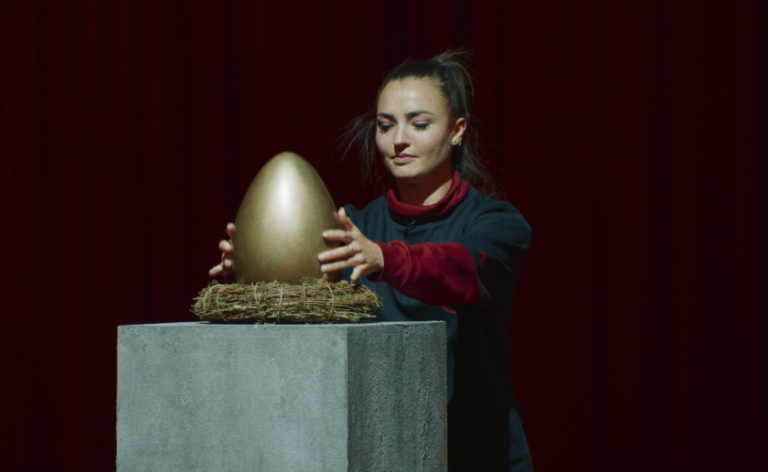
The streamer’s first UK upfront wasn’t just a sales pitch. It was a coronation.
The thing about coronations is they don’t just happen. They are imagined, planned and choreographed.
They have to be because the very act of there being an audience creates legitimacy: the crowd and the monarch are entering into a contract.
You don’t even need someone else to put the crown on. In 1804 Napoleon Bonaparte just did it himself, having just helped overthrow the monarchy. How ironic: the revolution’s favourite son became the very thing the revolution was supposed to abolish. Napoleon then spent his reign buying legitimacy from the old order he’d overthrown. He created an imperial nobility and married a Habsburg archduchess. The upstart wanted a pedigree.
Which brings us to last week.
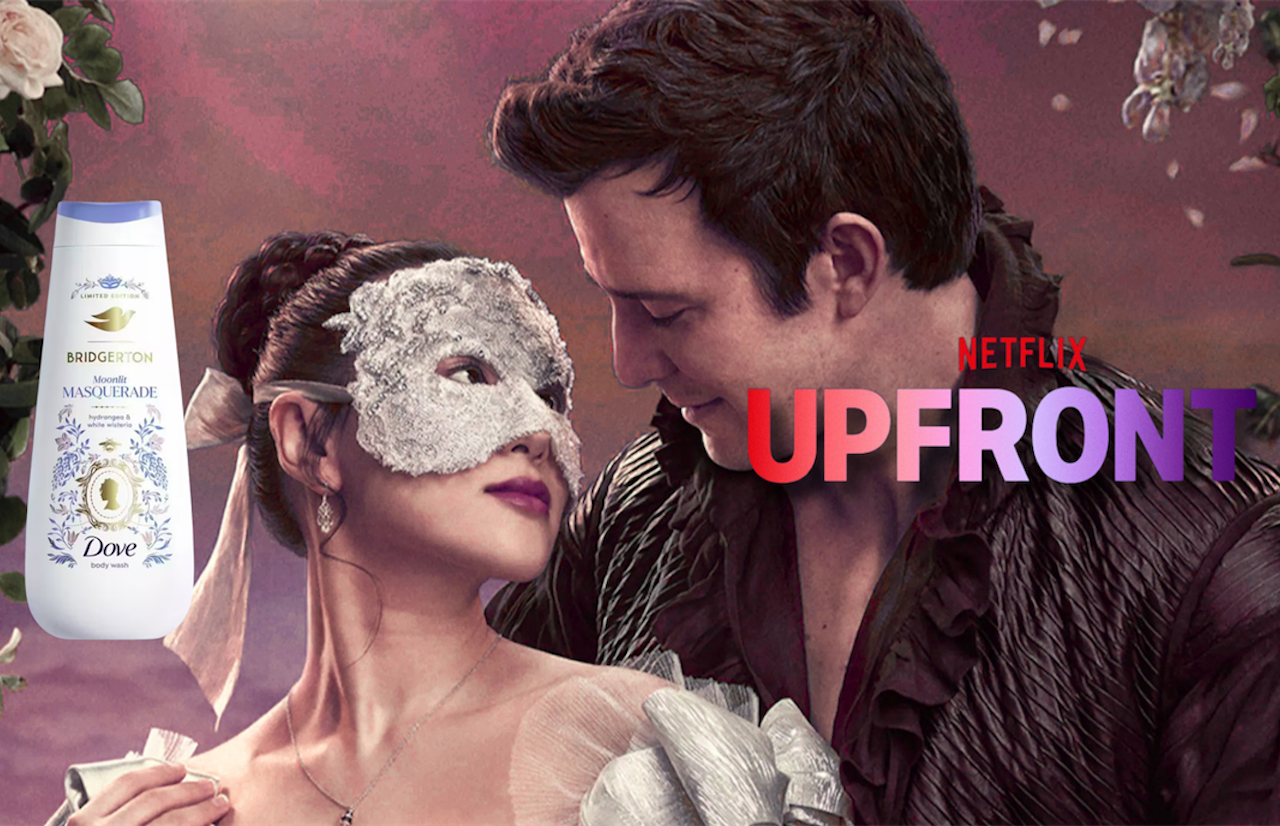
The fact that Netflix even does upfronts gives the game away: it’s the most network-TV ritual there is.
And the content slate was all rather telly-like. More Top Boy (born on Channel 4). A Peaky Blinders film (born on the BBC). Darts with Luke Littler. Tyson Fury v Anthony Joshua in Cardiff this December, billed by Anne Mensah, Netflix’s VP of content UK, as the biggest fight in British boxing history. All backed by around a billion pounds a year spent on UK production, with a pledge to that challenged sector that Netflix is “not going anywhere.”
Even the old criticism of streaming, that people binge and leave, was answered with a broadcaster’s reply. “Don’t people just binge a show and then disappear?” UK head of advertising Ed Couchman asked. Of course not! Netflix now has hits every week. Otherwise known as a schedule.
And, because every good court needs a jester, Netflix hired one of Britain’s best. Charlie Brooker was booked to plug Blackmere, his Naked Gun-ish spoof of British crime dramas, but not before having fun dismantling the event’s official slogan: “Nobody gets you closer than Netflix.” More on Brooker later.
The official portrait
Jacques-Louis David’s painting of the coronation is one of the great pieces of state propaganda. Napoleon’s mother sits in a place of honour, though she didn’t attend. The Pope raises his hand in blessing, reportedly at Napoleon’s insistence. It’s the court painter who edits the record.
And Netflix had plenty of those.
Start with the stat from Ofcom’s Media Nations: 26% of UK viewers turn first to Netflix when deciding what to watch, narrowly ahead of the BBC on 25%. A real milestone – but Ofcom itself calls the figures indicative, and the BBC still accounts for roughly twice Netflix’s share of all video viewing (18% v 9%).
Then watch the qualifiers at work. Mensah: “We have higher viewership than any other commercial broadcaster in almost every demographic.” Brand partnerships lead Magno Herran: “16- to 34-year-olds spend more time watching Netflix than any other commercial channel.”
Each word – commercial, first choice, time spent – is carefully chosen. Say them fast enough and the audience hears “number-one broadcaster.”
The rest was self-portraiture: attention figures from Netflix’s own research, a System1 study Netflix commissioned on 40 partnerships Netflix chose, and a new attribution suite so Netflix can tell you how well Netflix worked. One number with independent backing was the headline. Amy Reinhard, Netflix’s president of advertising, said its ad-supported plan reaches more than 14 million UK viewers, nearly one in four people nationwide – counted by Barb, which means we’re talking about people and not just user accounts.
Why it matters: a challenger gets to self-certify. An incumbent gets judged by independent measurement.
The machinery and the money
But empires don’t run on ceremony. They run just like any system: plumbing. And most of Netflix’s commercial announcements were exactly that: income and household targeting, first-party data onboarding, planning APIs. None of it glamorous, all of it the stuff that makes Netflix buyable like TV and targetable like digital.
- Targeting. Demographic targeting expands next month to include income and household composition.
- Data onboarding. A new API brings advertisers’ first-party data into the Netflix Ads Suite. Next year, customers can be onboarded through DSP partners.
- Planning. A Reach Curve API to forecast campaigns inside buyers’ existing tools, plus Audience Insights.
It’s what a functioning state looks like, not a start-up. And every new format is new inventory:
- Pause ads, buyable programmatically across partner DSPs from October, with AI tools to build them from existing assets.
- Interactive formats, including send-to-phone, with more due this autumn.
- Ad loads “that adapt to how someone actually watches.”
- A home-screen takeover – “imagine if your campaign was the first thing members saw when they opened Netflix.” (Reinhard stressed that it’s “still early.”)
- Live-event sponsorship, like Domino’s sponsoring a Fury fight earlier this year.
- Brand partnerships through the Brand Creative Studio: KFC × Stranger Things, and Stella Artois × The Gentlemen with Theo James and David Beckham.
Which brings us back to our jester. Minutes before Reinhard announced income targeting, Brooker was on the same stage describing modern targeted ads that “follow you around the internet like a cyber stalker.” The man who wrote Black Mirror named the ruler’s temptation in advance.
But there’s a wrinkle: none of these ads appear in a free-to-air environment. And just before this upfront, Netflix upped the price of its ad-supported tier from £5.99 to £7.99 a month – a third more. So subjects pay more and see more ads? That’s pricing power, a very kingly privilege.
Brooker put it better than any analyst could: Netflix gets advertisers to the centre of attention “by interrupting the program they paid to see.”
Long live the emperor
Let’s zoom out: this was a huge moment for UK advertising and media.
When Netflix launched its ad tier in 2022, I regarded it as an exciting prospect. For two decades, advertising had been largely locked out of ‘quality’ internet media. It was left building surveillance tools to prop up programmatic, while developing formats so annoying they drove people to ad blockers or into the walled gardens of Meta and TikTok. It turns out that advertising is still the best way to bring broadcast media to the masses, whether that media is brought to you through a cable, a satellite, an aerial, or the internet.
Time for some new plans
 This article first appeared in Ad-verse Reactions, a newsletter written by independent journalist and consultant Omar Oakes, covering the economics, power structures and unintended consequences shaping advertising and media. You can subscribe to Ad-verse Reactions for regular analysis at omaroakes.substack.com.